A clean lobby at 8 a.m. means very little if the restrooms are understocked by noon and the floors look worn out by mid-afternoon. For most businesses, cleanliness is not a one-time task. It is an ongoing operational need. That is the best way to answer the question, what is commercial housekeeping services: it is the structured, routine care of a commercial facility to keep it clean, presentable, safe, and ready for daily use.
Commercial housekeeping services go beyond occasional cleaning. They support the day-to-day condition of a business environment through scheduled tasks, ongoing upkeep, and attention to the areas people notice first. In offices, medical buildings, retail spaces, schools, industrial facilities, and multi-tenant properties, that consistency directly affects how a space performs and how people experience it.
What Is Commercial Housekeeping Services?
Commercial housekeeping services are recurring cleaning and upkeep services designed for business properties. The goal is not just to remove visible dirt. It is to maintain a professional environment, reduce disruption, support health and safety standards, and keep the facility operating smoothly.
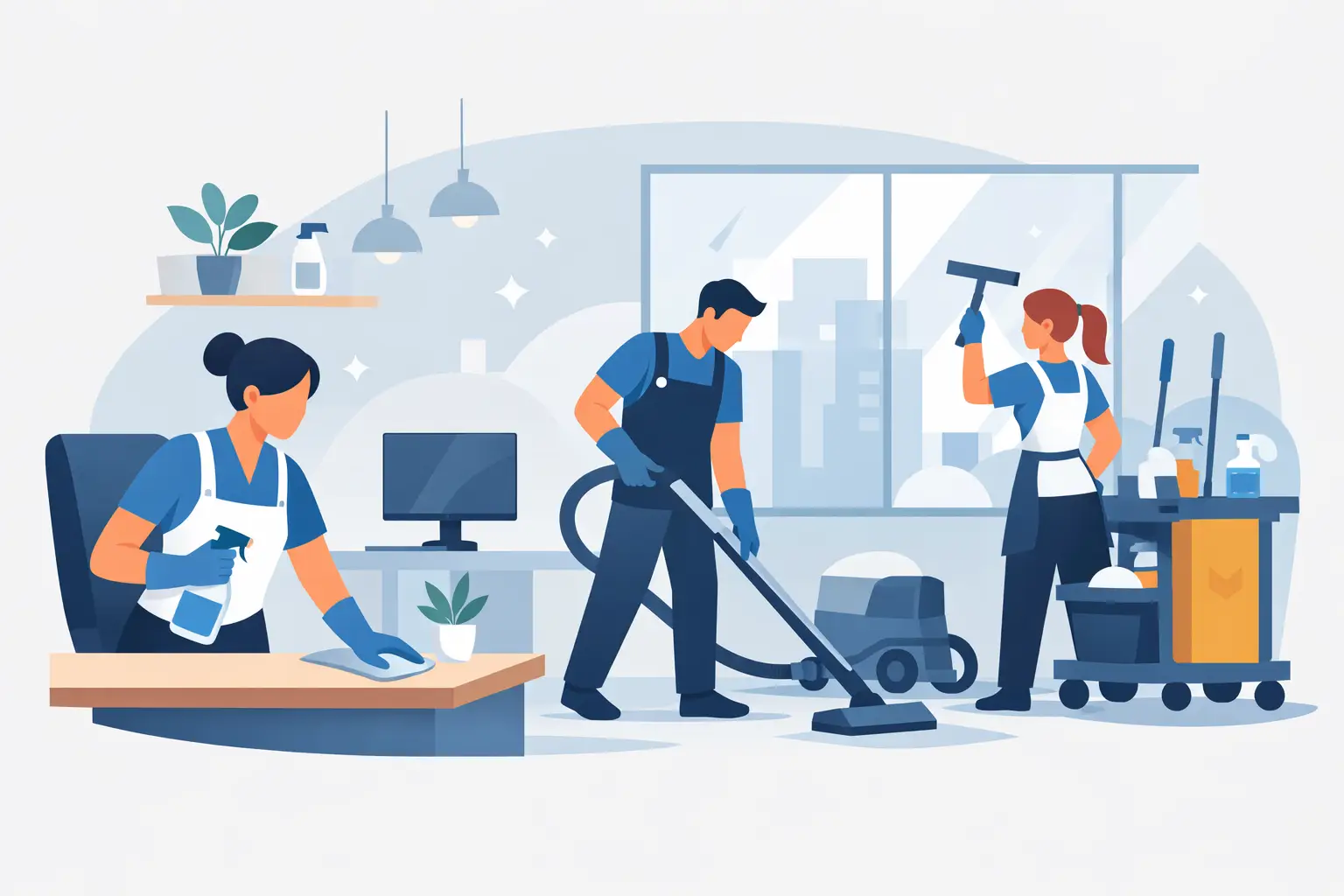
That usually includes routine cleaning of floors, restrooms, breakrooms, work areas, common spaces, entrances, and touchpoints. It can also include restocking consumables, managing trash and recycling, spot cleaning during business hours, and addressing presentation issues before they become complaints.
The exact scope depends on the building, the traffic level, and the expectations of the organization. A corporate office may need after-hours cleaning five nights a week. A healthcare-adjacent facility may need stricter disinfection protocols and more frequent touchpoint cleaning. A retail location may need daytime porter support to keep customer-facing areas consistently presentable.
How Commercial Housekeeping Differs From Basic Cleaning
Many people use the terms cleaning, janitorial, and housekeeping interchangeably, but there are differences in practice.
Basic cleaning often refers to individual tasks or one-time services. That might mean a deep clean before an event, carpet extraction after a spill, or a post-construction cleanup. Those services are valuable, but they are project-based.
Commercial housekeeping is more continuous. It is built around maintaining standards every day, every week, and every month. Instead of reacting to problems after they appear, housekeeping is designed to prevent a facility from slipping below expectations in the first place.
Janitorial services overlap heavily with housekeeping, and in many commercial settings the two terms are used together. The distinction usually comes down to service style. Housekeeping often suggests a more presentation-focused and detail-oriented approach, while janitorial may be used more broadly for general building cleaning and maintenance support. In real operations, a reliable provider often delivers both under one customized plan.
What Commercial Housekeeping Services Typically Include
The day-to-day work depends on the facility, but most commercial housekeeping programs cover the core areas that affect cleanliness, appearance, and usability.
Restroom care is one of the most visible parts of the service. That includes cleaning and sanitizing toilets, sinks, counters, mirrors, partitions, and floors, along with restocking soap, paper towels, and toilet tissue. When this area is missed or handled inconsistently, complaints come quickly.
Floor care is another major component. Daily vacuuming, sweeping, and mopping keep debris under control, while periodic machine scrubbing, buffing, and refinishing help extend the life of hard surfaces. Carpeted areas may also need spot treatment and scheduled deep cleaning.
Common areas and workspaces are typically cleaned on a recurring schedule. That can include dusting surfaces, wiping desks or shared stations as agreed, disinfecting high-touch points, emptying trash, replacing liners, and keeping breakrooms and conference rooms ready for use.
Entryways and lobbies deserve special attention because they shape first impressions. Glass cleaning, mat maintenance, debris removal, and touch-up cleaning throughout the day can make a meaningful difference, especially in high-traffic buildings.
Some commercial housekeeping plans also include porter services during operating hours. That is especially useful for facilities that cannot wait until evening for spills, restroom resets, or visible cleanup issues to be addressed.
Why Businesses Invest in Commercial Housekeeping
For business leaders and property managers, the decision usually comes down to consistency, risk reduction, and presentation.
First, consistent housekeeping protects the image of the business. Employees notice when a workplace feels neglected. Clients and visitors notice when entrances, restrooms, and conference rooms are not maintained. A clean facility signals professionalism, attention to detail, and operational control.
Second, regular housekeeping supports health and safety. Dust buildup, dirty floors, wet surfaces, and poorly maintained restrooms create avoidable problems. In some industries, cleaning also supports compliance expectations or internal standards tied to sanitation and facility readiness.
Third, it reduces operational friction. When cleaning is handled by a dependable commercial partner, managers spend less time chasing missed tasks, restocking supplies, or responding to complaints. That time savings matters more than many companies expect.
There is also a financial angle. Preventive care helps protect flooring, fixtures, and shared spaces from premature wear. A facility that is maintained correctly tends to hold up better over time than one that is cleaned only when issues become obvious.
Who Needs Commercial Housekeeping Services?
Any business that operates in a shared physical environment can benefit from it, but the service becomes especially valuable in buildings where cleanliness affects customer perception, employee experience, or daily operations.
Office buildings rely on housekeeping to maintain a polished workspace without interrupting productivity. Medical offices and healthcare-adjacent facilities need higher attention to sanitation and touchpoint control. Retail stores need a consistently presentable customer environment. Schools, churches, industrial offices, and multi-tenant commercial properties all have different cleaning demands, but the need for consistency is the same.
High-traffic facilities usually need the most tailored approach. A building with steady foot traffic, extended business hours, or public-facing restrooms will need more than a simple evening cleaning checklist. That is where service customization matters.
What to Expect From a Professional Provider
A professional commercial housekeeping company should do more than send a crew with a standard routine. The service should be built around your facility, your hours, and your standards.
That starts with a clear scope of work. You should know what is cleaned, how often, and at what level of detail. Some areas may require daily service, while others need weekly or monthly attention. Good providers do not oversell unnecessary tasks, but they also do not under-scope visible problem areas.
Scheduling flexibility matters just as much. Some buildings need after-hours service to avoid disruption. Others need daytime support in addition to overnight cleaning. A provider that can adapt to real operating conditions is usually more valuable than one offering a rigid package.
Accountability is another key factor. Consistent quality does not happen by accident. It comes from training, supervision, site familiarity, and responsive communication. If an issue comes up, it should be addressed quickly and without repeated follow-up from your team.
For many Chicagoland businesses, reliability is the deciding factor. A customized service plan has limited value if the vendor cannot execute it consistently. That is why many organizations look for partners that can support recurring needs, special requests, and off-hours service without creating additional management burden.
How to Tell If Your Business Needs More Than Occasional Cleaning
If your team is noticing recurring restroom issues, overflowing trash, dusty common areas, or inconsistent floor appearance, occasional cleaning is probably not enough. The same is true if your staff is spending time on facility tasks that should be handled by a service provider.
Another sign is when your building looks acceptable at opening but declines throughout the day. That often means the facility needs a more structured housekeeping plan, not just a better nightly cleanup.
Businesses also outgrow one-size-fits-all service when occupancy changes, schedules expand, or customer traffic increases. A cleaning plan that worked when the office was half full may not work now. The right housekeeping program should adjust as the facility changes.
Why Customization Matters
No two commercial properties operate the same way. A standard checklist may cover basic cleaning, but it will not always address how the building is actually used.
That is why commercial housekeeping works best when it is tailored. Frequency, staffing, service windows, and task priorities should align with your business hours, traffic patterns, and presentation standards. A law office, warehouse office, clinic, and retail showroom may all need commercial housekeeping, but they do not need the same approach.
Companies like Americlean Professional Services build around that reality. For businesses that need dependable, around-the-clock support, a customized housekeeping plan is often the difference between a vendor that simply shows up and a partner that helps the facility run better.
Commercial housekeeping is not just about making a space look clean after hours. It is about keeping your facility ready for employees, visitors, and daily operations at every stage of the day.