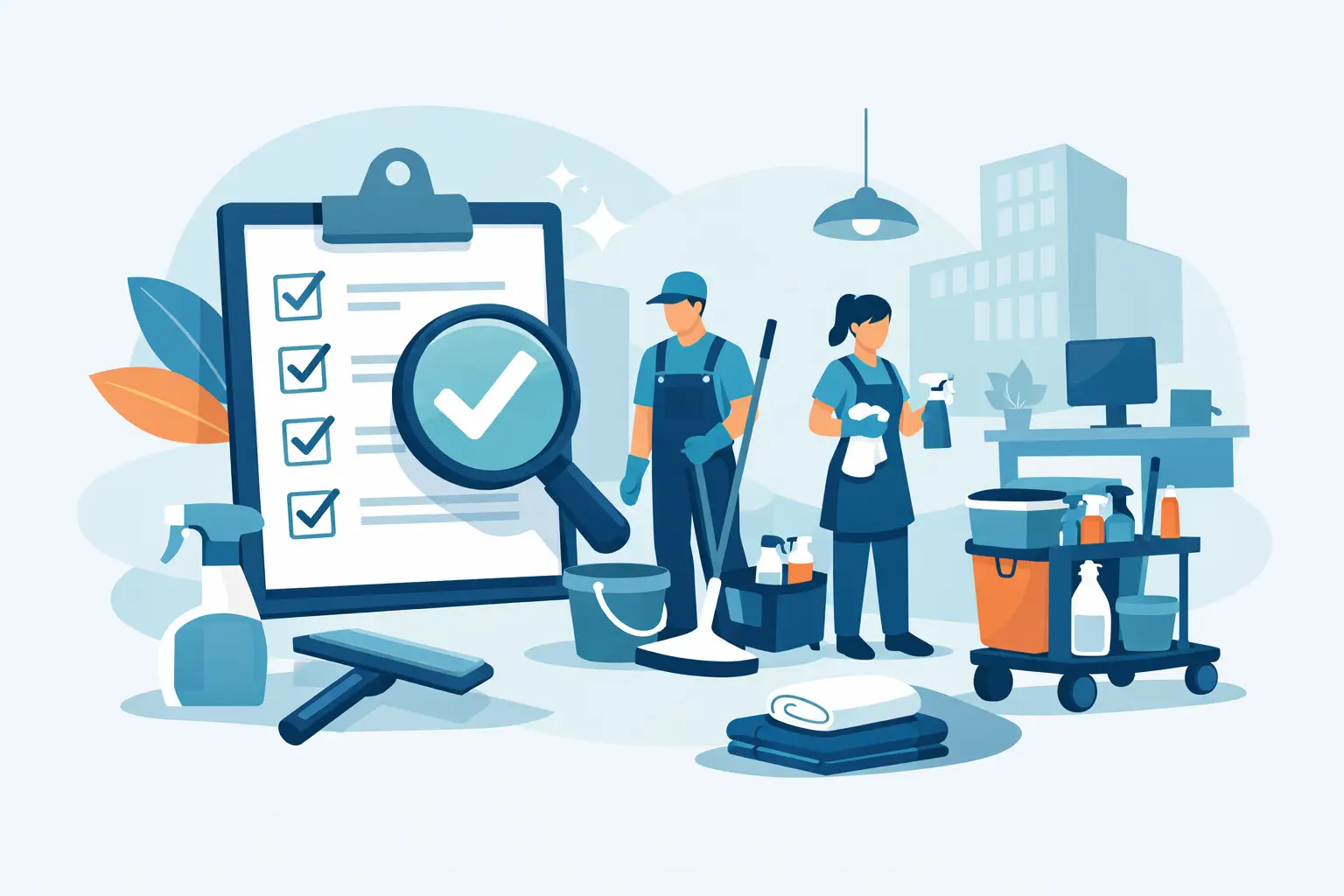
A clean lobby can make the right first impression in seconds. A missed restroom restock or overflowing trash can can undo it just as fast. That is why a business cleaning service checklist matters - not as a formality, but as a working standard that keeps your facility consistent, presentable, and ready for employees, clients, and visitors.
For business owners, property managers, and facility leaders, the challenge is rarely deciding whether cleaning matters. The real issue is making sure it happens the right way, on the right schedule, without creating disruption. A strong checklist helps define expectations, improve accountability, and support a service plan that fits how your building actually operates.
Why a business cleaning service checklist matters
In commercial environments, inconsistency is usually the problem. One week the office looks polished. The next week, touchpoints are missed, floors lose their finish, and supply levels slip. Without a documented checklist, cleaning quality can become subjective, which makes it harder to manage vendors, measure results, or address gaps before they affect staff and visitors.
A business cleaning service checklist creates structure. It turns general requests like keep the building clean into clear service expectations tied to spaces, tasks, and frequency. That matters even more in facilities with different traffic patterns, after-hours access needs, or areas that require special handling.
It also helps with continuity. If staffing changes, schedules shift, or your building has seasonal fluctuations, the checklist remains the reference point. Everyone works from the same standard instead of relying on memory or assumptions.
What a strong checklist should include
The best checklists are specific enough to guide performance and flexible enough to match the building. A small office suite does not need the same service scope as a medical-adjacent facility, retail location, or multi-tenant property. Still, most commercial cleaning plans should address the same core categories.
Entrance and lobby areas
Your entrance sets the tone for the entire property. These areas collect dirt quickly, especially in a market like Chicagoland where weather brings snow, salt, rain, and debris through the door.
A checklist for entrances and lobbies should cover glass cleaning, mat maintenance, floor care, dusting of reception surfaces, spot cleaning of walls and doors, trash removal, and disinfection of high-touch points such as handles and counters. If the area has elevators, directory signs, or display fixtures, those should be included as well.
Offices, workstations, and conference rooms
These spaces need to look organized and feel clean without interfering with daily operations. In many businesses, that means after-hours service is the most practical option.
Typical checklist items include trash removal, liner replacement, dusting of horizontal surfaces, vacuuming or floor cleaning, touchpoint disinfection, and cleaning of conference tables, chairs, and shared equipment surfaces. It depends on the workplace culture, though. Some clients want cleaning crews to avoid desks entirely for privacy reasons, while others want visible surface cleaning throughout the suite.
Restrooms
Restrooms are one of the clearest indicators of service quality. If they are neglected, occupants notice immediately.
A commercial restroom checklist should include cleaning and disinfecting toilets, urinals, sinks, counters, partitions, mirrors, fixtures, and floors. It should also address restocking soap, paper towels, and toilet tissue, plus emptying sanitary receptacles and checking odor control. In high-traffic facilities, one nightly service may not be enough. Day porter support or multiple checks may be necessary.
Breakrooms and kitchens
Shared food areas create sanitation concerns quickly. Coffee spills, crumbs, and full trash bins can build up in a matter of hours.
Checklist items here usually include wiping and disinfecting counters, tables, appliance exteriors, sinks, cabinet fronts, and high-touch surfaces. Floors should be swept and mopped, and trash should be removed consistently. If your business expects interior microwave or refrigerator cleaning, that should be stated clearly rather than assumed.
Floors and carpets
Floor care is often where long-term appearance is won or lost. Daily cleaning matters, but so does periodic maintenance.
A complete checklist should note the flooring type in each area and the correct service for it. Carpeted zones may require vacuuming, spot treatment, and scheduled deep cleaning. Hard floors may need dust mopping, wet mopping, burnishing, scrubbing, or refinishing depending on traffic and finish condition. The right schedule depends on use. A lightly occupied office and a busy medical office building will not wear floors at the same rate.
How to set the right cleaning frequency
A checklist is only useful if the timing makes sense. Some tasks need daily attention. Others are better handled weekly, monthly, or quarterly.
Daily items typically include trash removal, restroom sanitizing, touchpoint disinfection, and cleaning of high-use common areas. Weekly tasks may include more detailed dusting, interior glass, and spot cleaning beyond the most visible areas. Monthly or quarterly services often cover carpet extraction, hard floor restoration, high dusting, and deeper detailing work.
The right frequency depends on occupancy, industry, and hours of operation. A professional office with predictable weekday traffic may need a straightforward recurring plan. A facility open late, operating multiple shifts, or welcoming constant visitors may need staggered service windows and more frequent quality checks.
The role of customization in commercial cleaning
A business cleaning service checklist should never feel copied from another property. Commercial facilities vary too much for that approach to work well.
A law office may care most about polished presentation and quiet after-hours service. A warehouse office may need greater focus on entryways, dust control, and restroom durability. A healthcare-adjacent environment may require stricter disinfection standards and closer attention to cross-contamination risks. Even within the same building, front-facing spaces and back-of-house areas often need different service levels.
That is where customization matters. The checklist should reflect how your building is used, when it is occupied, and which areas carry the most visibility or risk. This is one reason many businesses prefer a partner that can adapt service plans over time instead of locking them into a rigid package.
What decision-makers should look for in a checklist
A useful checklist does more than list tasks. It should support oversight.
Start with clarity. Each task should identify the area, the expected result, and the service frequency. Vague phrases like clean as needed leave too much room for interpretation. More precise language, such as disinfect door handles nightly or vacuum all carpeted corridors five times per week, is easier to manage and verify.
Next, consider accountability. The checklist should work as part of a broader quality process, whether that means supervisor inspections, site communication logs, or periodic walkthroughs with your cleaning provider. If quality slips, you need documentation that shows what was expected and what was completed.
Finally, make sure the checklist aligns with your operational reality. If your team works late, cleaning schedules should not interrupt them. If your building has sensitive areas, access rules should be built into the service plan. Reliable service is not just about showing up. It is about showing up in a way that supports the business.
Common gaps in a business cleaning service checklist
Some checklists look complete but still miss practical issues that affect day-to-day results. Supply replenishment is a common example. Restrooms may be cleaned thoroughly, but if no one is responsible for restocking paper products, the experience still falls short.
Another gap is high-touch disinfection. In many facilities, light switches, door pulls, railings, and shared devices need more attention than they received in older cleaning models. Seasonal needs are also easy to overlook. Winter moisture and salt require a different floor care response than summer dust and rain.
It is also worth reviewing what is not included. Window washing, consumables, deep carpet cleaning, hard floor refinishing, and specialty sanitation are often separate services. That is not a problem as long as expectations are clear from the start.
Turning the checklist into a better service relationship
The checklist should not sit in a file untouched. It works best when it becomes part of regular communication between your team and your cleaning provider.
Walk the building before service begins. Identify priority areas, note pain points from previous vendors, and agree on what success looks like. After service starts, revisit the checklist as occupancy changes, space usage shifts, or seasonal demands increase. A growing business may need more frequent service than it did six months earlier.
For many facilities, the most effective approach is a checklist tied to a customized maintenance plan with dependable support outside standard business hours. That combination helps reduce surprises, protect presentation standards, and keep cleaning aligned with operations. For companies that need consistency above all else, that level of planning is not extra - it is what keeps the building working.
Americlean Professional Services approaches commercial cleaning with that standard in mind: clear expectations, tailored service plans, and dependable support when businesses need it most.
A business cleaning service checklist is not just about assigning tasks. It is about protecting the way your facility looks, feels, and functions every day. When the checklist is built around your space instead of a generic package, cleaner operations usually follow.